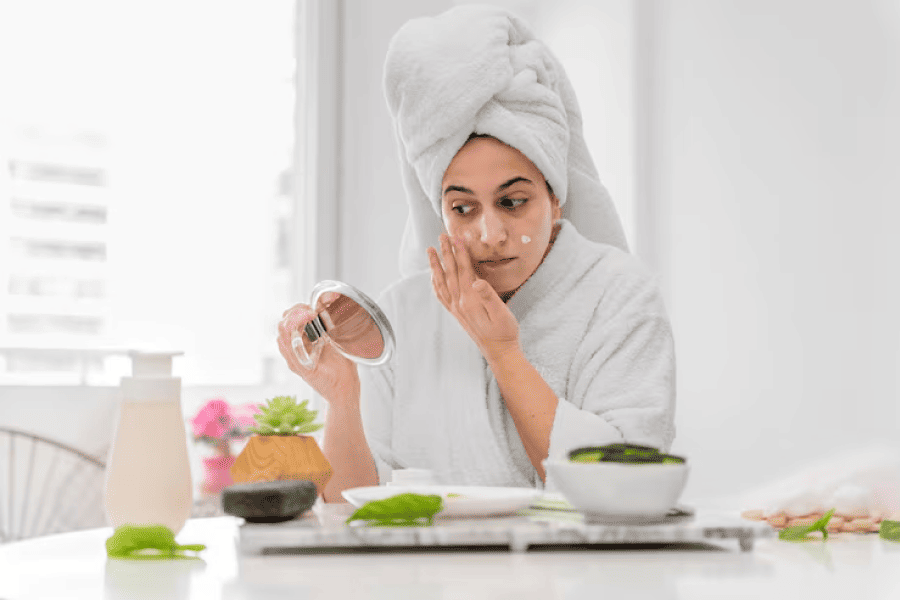




Morning vs. Night Skincare: What Your Routine Really Needs
When it comes to skincare, one of the most common questions is: *“Do I really need a different routine for morning and night?”* The short answer is yes. Your skin doesn’t function the same way during the day as it does at night. Just like your body, it has different needs depending on the time of day.
The **morning routine** is about **protection and preparation**, while the **night routine** is about **repair and restoration**. Understanding this difference is the key to transforming your skin and ensuring it stays radiant, youthful, and healthy in the long run.
---
### 🌞 Morning Skincare Routine – Protection and Prevention
During the day, your skin is exposed to countless stressors: UV rays, pollution, dirt, sweat, and even blue light from screens. A proper morning routine should focus on creating a **protective shield** for your skin to fight these aggressors.
#### 1. Gentle Cleansing
- Remove excess oil and sweat from the night.
- Opt for a mild cleanser that refreshes without stripping the skin.
#### 2. Antioxidants (Vitamin C or Serum)
- Vitamin C helps fight free radicals, reduces dullness, and brightens the skin.
- It also boosts collagen and enhances your sunscreen’s protection.
#### 3. Lightweight Moisturizer
- Keeps your skin hydrated and smooth throughout the day.
- Choose a formula suited to your skin type (gel for oily, cream for dry).
#### 4. Sunscreen (The Non-Negotiable Step)
- SPF 30+ is a must, even indoors or on cloudy days.
- Sunscreen protects against premature aging, pigmentation, and skin cancer.
💡 **Pro Tip:** Don’t forget your neck, chest, and hands—they age too!
---
### 🌙 Night Skincare Routine – Repair and Renewal
At night, while you sleep, your skin goes into “repair mode.” Blood flow increases, collagen production rises, and your skin cells regenerate. That’s why your nighttime routine should focus on **deep nourishment and healing**.
#### 1. Double Cleansing
- Step 1: Use an oil-based cleanser to remove sunscreen and makeup.
- Step 2: Follow with a water-based cleanser to clean dirt and impurities.
#### 2. Exfoliation (2–3 times a week)
- Removes dead skin cells and prevents clogged pores.
- Avoid daily exfoliation to prevent irritation.
#### 3. Targeted Treatments (Serums/Retinol)
- Retinol boosts cell turnover, reduces fine lines, and clears acne.
- Niacinamide calms redness and supports barrier repair.
#### 4. Rich Moisturizer or Night Cream
- Night creams are thicker, providing hydration while locking in active ingredients.
- Ingredients like hyaluronic acid, peptides, and ceramides work best.
#### 5. Eye Cream (Optional but Effective)
- Reduces puffiness, dark circles, and fine lines around the delicate eye area.
💡 **Pro Tip:** Always apply active treatments at night (like retinol), since sunlight can weaken their effects or cause sensitivity.
---
### 🔑 Morning vs. Night: The Core Differences
| Aspect | Morning Routine | Night Routine |
|--------|----------------|---------------|
| Goal | Protect & Prepare | Repair & Restore |
| Key Step | Sunscreen | Retinol / Repairing Serums |
| Moisturizer | Lightweight | Rich & Nourishing |
| Cleansing | Gentle | Double Cleansing |
Your skin is smart—it knows when it’s day and when it’s night. By adjusting your routine to work with your skin’s natural rhythm, you maximize results and prevent long-term damage.
---
### 🌟 Common Mistakes to Avoid
1. **Skipping Sunscreen** – The #1 cause of premature aging.
2. **Using Harsh Cleansers** – Stripping the skin leads to irritation.
3. **Over-Exfoliating** – Too much scrubbing can weaken your barrier.
4. **Neglecting Consistency** – Skincare is about habit, not miracles.
---
### ✨ Final Thoughts
The secret to glowing, healthy skin lies in **understanding what your skin needs at different times of the day**. In the morning, think protection. At night, think repair. These routines don’t have to be complicated, but they do need to be consistent.
When you embrace both morning and night skincare, you’re not just investing in your skin—you’re investing in your confidence, your self-care, and your long-term health.
Share :
Recent Posts